

When it comes to choosing the best dye for a stuffed animal, there are numerous factors to consider. As a dye supplier, I've witnessed firsthand the diverse needs and concerns of customers in the stuffed - animal industry. In this blog, I'll delve into the key aspects that should guide your decision - making process and recommend some of the top dyes for this particular application.
Understanding the Requirements for Stuffed Animal Dyes
Stuffed animals are often in close contact with human skin, especially those used by children. Therefore, the dyes used must meet strict safety standards. They should be non - toxic, free from harmful chemicals such as heavy metals, and hypoallergenic to avoid skin irritations. Additionally, the dyes need to have good colorfastness, which means they should not fade easily when exposed to light, washing, or rubbing.
Types of Dyes Suitable for Stuffed Animals
Acid Dyes
Acid dyes are a popular choice for dyeing stuffed animals made from protein - based fibers like wool or silk. These dyes work by forming ionic bonds with the fibers, resulting in bright and vibrant colors. They offer excellent colorfastness to light and washing, which is crucial for maintaining the appearance of the stuffed animals over time.
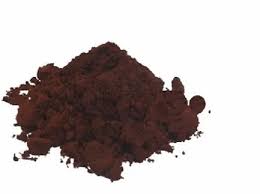
One of the acid dyes that I highly recommend is Acid Brown 355 CAS NO.60181 - 77 - 3. This dye has a high affinity for protein fibers, ensuring deep and even color penetration. It is also known for its good lightfastness, meaning the brown color will stay rich and true for a long time. Acid dyes like this are relatively easy to apply, and they can be used in a variety of dyeing methods, including immersion dyeing and hand - painting.
Pigment Dyes
Pigment dyes are another option for stuffing animals. Pigments are insoluble colorants that are mechanically attached to the surface of the fibers. They can be used on a wide range of fiber types, including synthetic fibers such as polyester, which are commonly used in modern stuffed animals.
Pigment Yellow 12 is an outstanding pigment dye for stuffed animals. It provides a bright and cheerful yellow color that is very appealing, especially for children's toys. Pigment dyes are known for their excellent colorfastness to rubbing, making them suitable for stuffed animals that are likely to be handled and played with frequently. They also offer good resistance to weathering and chemicals, ensuring the long - term durability of the color.
Dye Intermediates and Their Role
In the process of dye manufacturing, dye intermediates play a vital role. These are chemical compounds that are used to synthesize dyes. One of the important dye intermediates is Resorcinol. Resorcinol is widely used in the production of various dyes, including acid dyes and some pigment dyes. It acts as a building block in the chemical reactions that form the dye molecules.
Resorcinol - based dyes often have good solubility and reactivity, which contribute to the ease of dyeing and the quality of the final color. For stuffed animal manufacturers, using dyes that are synthesized with high - quality resorcinol can lead to better color results and more consistent dyeing processes.
Factors Affecting Dye Selection
Fiber Type
As mentioned earlier, the type of fiber used in the stuffed animal is a major factor in dye selection. Protein - based fibers like wool and silk require dyes that can form strong chemical bonds with them, such as acid dyes. Synthetic fibers, on the other hand, may be better suited for pigment dyes or disperse dyes, which can adhere to the smooth surface of these fibers more effectively.
Color Preferences
The desired color of the stuffed animal is also a crucial consideration. Different dyes have different color ranges and characteristics. Some dyes are better at producing bright and vivid colors, while others are more suitable for creating pastel or earthy tones. Manufacturers need to choose dyes that can achieve the specific colors they have in mind for their products.
Cost - effectiveness
Cost is always a factor in any manufacturing process. While high - quality dyes may come with a higher price tag, they can also offer better colorfastness and performance, which can reduce the long - term costs associated with re - dyeing or product returns due to color fading. It's important to find a balance between the cost of the dye and the quality it provides.
Application Methods
Immersion Dyeing
Immersion dyeing is a common method for dyeing stuffed animals. In this process, the stuffed animals are completely submerged in a dye bath. This method ensures uniform color distribution and is suitable for large - scale production. The temperature, pH, and dye concentration of the bath need to be carefully controlled to achieve the desired color and colorfastness.

Hand - painting
Hand - painting is a more artistic method of dyeing stuffed animals. It allows for more creativity and the creation of unique designs. However, it is a more labor - intensive process and may not be suitable for mass production. Hand - painting is often used for custom - made or limited - edition stuffed animals.
Quality Control
To ensure that the dyes used in stuffed animals meet the required standards, strict quality control measures should be in place. This includes testing the dyes for toxicity, colorfastness, and other performance indicators. Manufacturers should also work closely with their dye suppliers to ensure that the dyes are used correctly and that any issues can be addressed promptly.
Conclusion
Choosing the best dye for a stuffed animal is a complex process that involves considering multiple factors such as fiber type, color preferences, safety, and cost - effectiveness. As a dye supplier, I can offer a wide range of high - quality dyes, including Acid Brown 355 CAS NO.60181 - 77 - 3, Pigment Yellow 12, and dyes synthesized with Resorcinol.
If you are a stuffed animal manufacturer or are involved in the production of similar products, I encourage you to reach out to discuss your specific dyeing needs. We can work together to find the most suitable dyes for your products, ensuring high - quality, safe, and long - lasting colors. Whether you need help with dye selection, application methods, or quality control, I'm here to assist you.
References
- "Textile Dyeing and Finishing" by Shirley A. Corliss
- "The Chemistry of Synthetic Dyes" by K. Venkataraman