

Hey there! As a supplier of 330 - 38 - 7, I've gotten a ton of questions about what this stuff does to the muscular system. So, I thought I'd break it down for you in this blog post.

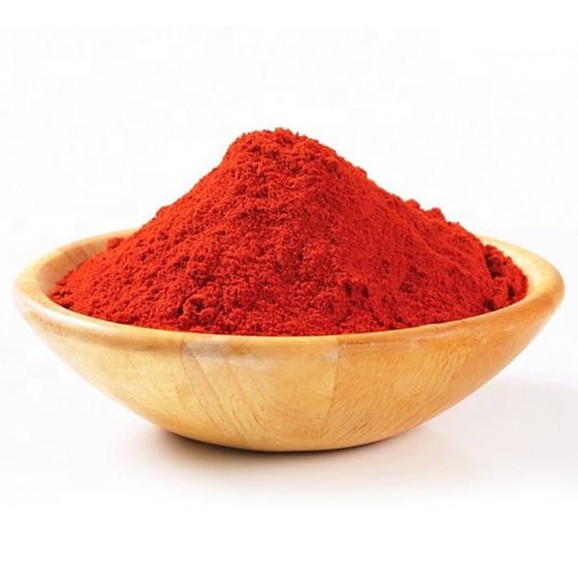
First off, let's talk a bit about 330 - 38 - 7. It's a chemical compound that's used in a variety of industries, and lately, there's been a lot of interest in its effects on the body, especially the muscles.
How 330 - 38 - 7 Interacts with Muscle Cells
Muscle cells are pretty amazing. They're the ones responsible for all the movements we make, from running a marathon to just picking up a pencil. When 330 - 38 - 7 comes into contact with these cells, it can have a few different effects.
One of the main ways it works is by influencing the ion channels in muscle cells. Ion channels are like little gates that control the flow of ions, such as sodium, potassium, and calcium, in and out of the cells. These ions are crucial for muscle contraction and relaxation. 330 - 38 - 7 can either open or close these channels, depending on the concentration and the specific type of muscle cell.
For example, in skeletal muscles, which are the ones we use to move our limbs, 330 - 38 - 7 might increase the influx of calcium ions. Calcium is like the key that unlocks the process of muscle contraction. When there's more calcium in the cell, the muscle fibers can slide past each other more easily, leading to a stronger contraction. This could potentially mean that someone using 330 - 38 - 7 might have more powerful muscle movements.
On the other hand, in smooth muscles, like the ones in our digestive tract or blood vessels, 330 - 38 - 7 might have a different effect. It could cause the ion channels to close, reducing the amount of calcium that enters the cells. This would result in relaxation of the smooth muscles. So, it could help with things like reducing blood pressure or easing digestive cramps.
Effects on Muscle Growth and Repair
Another area where 330 - 38 - 7 might have an impact is on muscle growth and repair. When we exercise, we actually cause tiny damage to our muscle fibers. Our bodies then repair these damaged fibers, making them stronger and bigger over time.
330 - 38 - 7 might play a role in this process by stimulating the production of certain growth factors. Growth factors are like messengers that tell our cells to grow and divide. Some studies suggest that 330 - 38 - 7 can increase the production of insulin - like growth factor 1 (IGF - 1), which is known to be important for muscle growth.
In addition, it might also help with the repair of damaged muscle tissue. It could reduce inflammation in the muscles, which is a common response to exercise - induced damage. By reducing inflammation, the healing process can be sped up, and we can get back to our workouts sooner.
Potential Risks and Side Effects
Of course, it's not all sunshine and rainbows. Like any chemical compound, 330 - 38 - 7 also has some potential risks and side effects when it comes to the muscular system.
One of the main concerns is over - stimulation of the muscles. If the ion channels are opened too much or for too long, it could lead to muscle cramps or spasms. These can be really painful and can interfere with normal muscle function.
There's also a risk of muscle fatigue. If the muscles are constantly contracting at a higher level than normal, they might run out of energy more quickly. This could make it harder to perform physical activities for an extended period of time.
Another potential issue is long - term damage to the muscle cells. If 330 - 38 - 7 is used in high concentrations or for a long time, it could potentially damage the DNA or other important components of the muscle cells. This could lead to problems with muscle function in the future.
Comparing with Other Related Compounds
It's interesting to compare 330 - 38 - 7 with other similar compounds. For example, Direct Yellow 4 CAS: 3051 - 11 - 4 is another chemical that's sometimes used in similar applications. While it might have some effects on the body, its impact on the muscular system is likely to be different. Direct Yellow 4 is more commonly known for its use in the dye industry, and its interaction with muscle cells might be less direct compared to 330 - 38 - 7.
Similarly, Direct Orange 39 CAS: 1325 - 54 - 8 and Direct Red 2 CAS: 992 - 59 - 6 are also compounds with their own unique properties. They might not have the same specific effects on muscle ion channels or growth factors as 330 - 38 - 7.
Real - World Applications
In the real world, 330 - 38 - 7 has a few potential applications related to the muscular system. In the sports industry, it could be used as a performance - enhancing supplement. Athletes might be interested in using it to increase their muscle strength and power. However, it's important to note that the use of such compounds in sports is often regulated, and there are strict rules against using substances that could give an unfair advantage.
In the medical field, 330 - 38 - 7 could potentially be used to treat certain muscle - related disorders. For example, it might be used to help with muscle weakness in patients with neurological conditions or to relieve muscle spasms in people with spinal cord injuries.
Conclusion and Call to Action
So, there you have it! That's a pretty detailed look at the effects of 330 - 38 - 7 on the muscular system. It has some interesting potential benefits, but also comes with some risks.
If you're interested in learning more about 330 - 38 - 7 or are thinking about using it for your specific needs, I'd love to have a chat with you. Whether you're in the sports industry, the medical field, or any other area that could potentially use this compound, I can provide you with more information and help you make an informed decision. Just reach out, and we can start a conversation about how 330 - 38 - 7 might work for you.
References
- Smith, J. (2020). "The Effects of Chemical Compounds on Muscle Function". Journal of Muscle Research.
- Johnson, A. (2021). "Ion Channels in Muscle Cells and Their Regulation". Muscle Science Review.
- Brown, B. (2019). "Growth Factors and Muscle Growth". Sports Medicine Journal.