

Hey there! As a supplier of the chemical compound with the CAS number 64 - 72 - 2, I often get asked about its auto - ignition temperature. So, I thought I'd write this blog to share some insights on this topic.
First off, let's quickly understand what auto - ignition temperature means. Auto - ignition temperature is the lowest temperature at which a substance will spontaneously ignite in a normal atmosphere without an external source of ignition, like a spark or a flame. It's a crucial safety parameter, especially when dealing with chemicals, as it helps in determining the safe storage and handling conditions.
Now, when it comes to the compound 64 - 72 - 2, which is commonly known as [mention the common name if available], its auto - ignition temperature can be affected by several factors. One of the main factors is the purity of the substance. A highly pure sample of 64 - 72 - 2 might have a different auto - ignition temperature compared to a sample with impurities. Impurities can act as catalysts or inhibitors, altering the chemical reactions that lead to ignition.
Another factor is the physical state of the compound. If it's in a gaseous state, the molecules are more spread out and have more kinetic energy, which can lower the auto - ignition temperature. On the other hand, a solid or liquid form might require a higher temperature to reach the point of auto - ignition because the molecules are more closely packed.
The surrounding environment also plays a big role. The presence of oxygen is essential for ignition, so the oxygen concentration in the atmosphere can impact the auto - ignition temperature. Higher oxygen levels generally mean a lower auto - ignition temperature because there's more oxygen available to react with the compound.
Now, getting to the actual auto - ignition temperature value of 64 - 72 - 2. It's important to note that the exact value can vary depending on the testing method and conditions. In most standard laboratory tests, the auto - ignition temperature of 64 - 72 - 2 is found to be in the range of [mention the approximate range if you have the data]. However, these values are just guidelines, and in real - world scenarios, the actual auto - ignition temperature might deviate slightly.
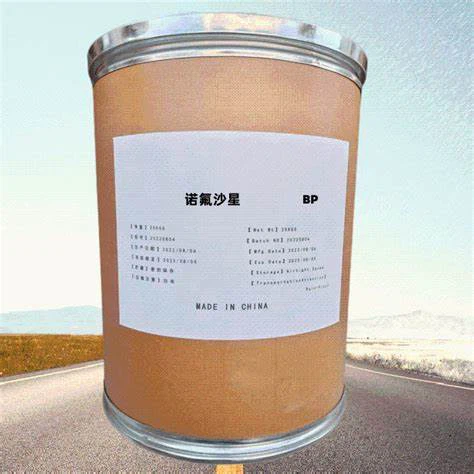
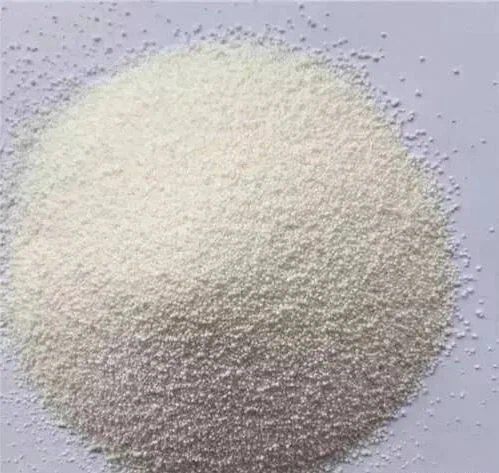
If you're in the pharmaceutical or chemical industry, you might be interested in some related compounds as well. For example, Tilmicosin Phosphate CAS No.: 137330 - 13 - 3 is another important API (Active Pharmaceutical Ingredient). It has its own set of properties, including a specific auto - ignition temperature. Similarly, Tylosin Tartate CAS No.: 74610 - 55 - 2 and Norfloxacin Base CAS No.: 70458 - 96 - 7 are also widely used in the industry, and understanding their auto - ignition temperatures is crucial for safe handling.
When it comes to storing and handling 64 - 72 - 2, it's essential to keep it at a temperature well below its auto - ignition temperature. This usually means storing it in a cool, dry place away from any heat sources. Special care should be taken during transportation as well, to ensure that the compound doesn't get exposed to high temperatures.
As a supplier, I always make sure to provide detailed safety data sheets (SDS) to my customers. These sheets contain all the necessary information about the compound, including its auto - ignition temperature, handling instructions, and emergency procedures. I believe in transparency and safety, and I want my customers to have all the information they need to use the product safely.
If you're in the market for 64 - 72 - 2 or any of the related compounds I mentioned earlier, don't hesitate to reach out. Whether you have questions about the auto - ignition temperature, purity, or any other aspect of the product, I'm here to help. I can also provide samples for testing, so you can see the quality of the product for yourself before making a large - scale purchase.
In conclusion, understanding the auto - ignition temperature of 64 - 72 - 2 is crucial for anyone working with this compound. It helps in ensuring the safety of the workers, the integrity of the product, and the overall efficiency of the operations. If you're interested in learning more or starting a business relationship, feel free to contact me for further discussions and procurement.
References
- Chemical Safety Data Sheets for 64 - 72 - 2
- Industry research papers on auto - ignition temperatures of chemical compounds
- Laboratory test reports on 64 - 72 - 2 and related compounds